

Introduction
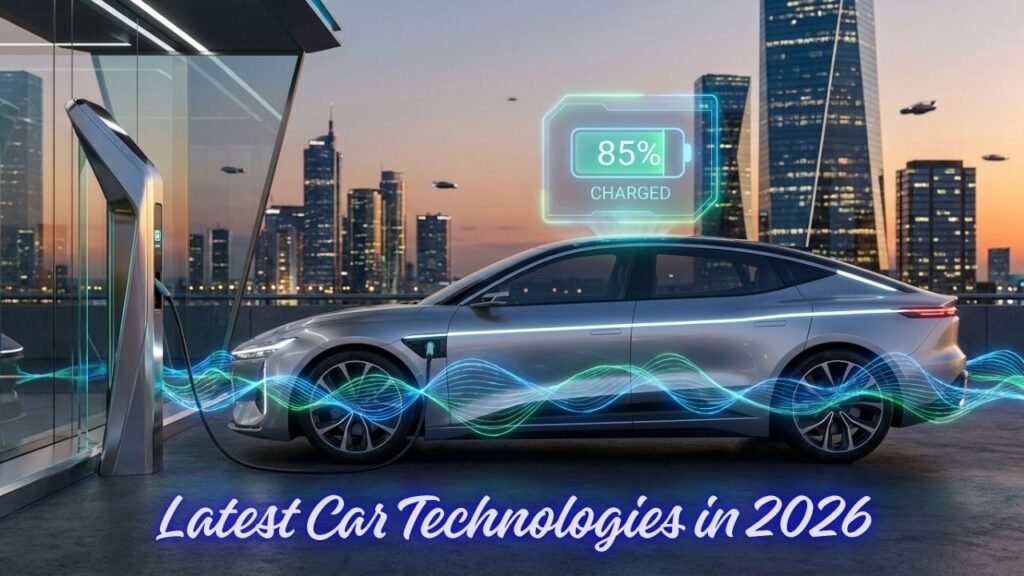
The automotive industry is experiencing unprecedented transformation in 2026. Modern cars are no longer just machines for transportation—they’ve evolved into intelligent, connected devices that integrate cutting-edge technology, artificial intelligence, and sustainable solutions. Whether you’re a car enthusiast, potential buyer, or someone curious about automotive advancements, understanding these latest car technologies is essential.
In this comprehensive guide, we’ll explore the most innovative car technologies that are reshaping the industry in 2026, from electric vehicle advancements to AI-powered safety features and autonomous driving capabilities. This article will help you stay informed about what’s currently available and what’s coming next in the automotive world.

1. Electric Vehicle Technology Evolution
The Current State of EV Technology
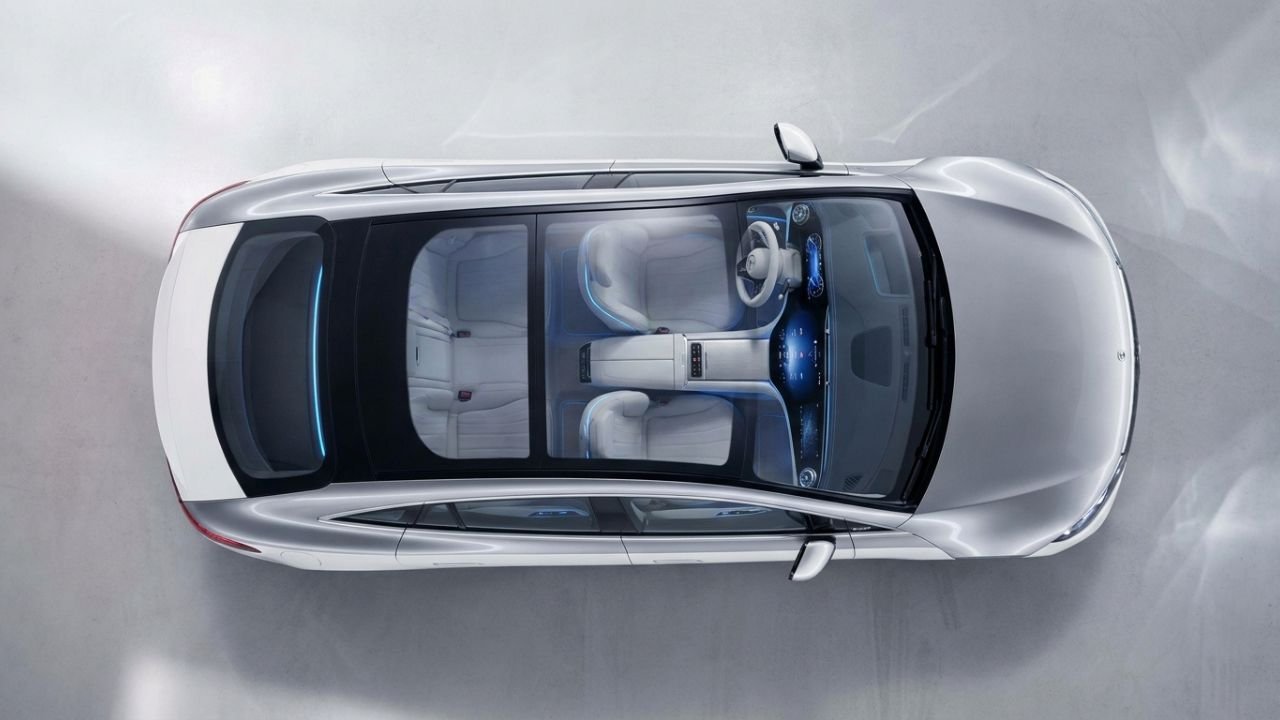
Electric vehicles (EVs) have moved from niche segment to mainstream market choice in 2026. With improved battery technology and expanded charging infrastructure, EVs now account for a significant portion of new vehicle sales worldwide. Indian automotive market has particularly seen a surge in EV adoption.
Key developments in EV technology:
- Extended Range: Latest electric cars offer 400-600+ km range on a single charge, making them practical for daily commutes and long-distance travel
- Fast Charging: Next-generation chargers can deliver 80% charge in 20-30 minutes, comparable to traditional refueling
- Cost Reduction: Battery prices have dropped dramatically, making EVs more affordable than ever
- Improved Performance: Electric motors provide instant torque, making many EVs faster than their gasoline counterparts
EV Market Growth in India
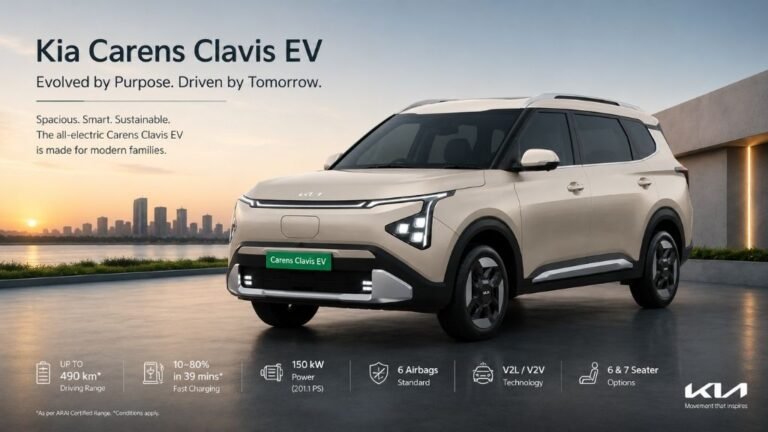
India’s EV market is booming with models from Tata Motors, Mahindra, and others leading the charge. The Indian government’s incentives and push toward sustainable transportation have accelerated adoption. In 2026, we’re seeing second and third-generation EVs with significantly improved features and pricing.
Charging Infrastructure Development
The charging network across Indian cities has expanded substantially. From home charging solutions to public charging stations, the infrastructure now supports practical EV ownership. Fast-charging stations are increasingly available on major highways, reducing range anxiety—a major concern for potential EV buyers.
2. Artificial Intelligence in Modern Cars
AI-Powered Vehicle Systems
Artificial Intelligence has become the brain of modern vehicles. Machine learning algorithms now handle multiple functions simultaneously, from predicting maintenance needs to optimizing fuel efficiency.
AI applications in 2026 cars:
- Predictive Maintenance: Sensors monitor hundreds of vehicle parameters, predicting potential failures before they happen
- Personalized Driving Experience: AI learns driver preferences and adjusts vehicle settings automatically
- Traffic Pattern Recognition: Systems analyze real-time traffic data to suggest optimal routes and driving patterns
- Fuel/Energy Optimization: AI algorithms adjust engine performance to maximize efficiency based on driving conditions
Adaptive Learning Systems
Modern cars now feature adaptive systems that improve over time. Your vehicle’s AI learns your driving habits, preferences, and needs, customizing everything from seat position to climate control automatically.
Voice Recognition and Natural Language Processing
2026 vehicles feature advanced voice commands that understand natural conversations, not just specific commands. You can have contextual conversations with your car’s AI assistant, asking complex questions and receiving intelligent responses.
3. Advanced Driver Assistance Systems (ADAS)
Comprehensive Safety Features
ADAS has evolved from simple lane-keeping assist to comprehensive safety ecosystems. Modern cars in 2026 feature multiple overlapping safety systems that work together to prevent accidents.
Latest ADAS features:
- 360-Degree Camera Systems: Provides complete surround view, eliminating blind spots
- Automatic Emergency Braking: Uses radar and cameras to detect obstacles and apply brakes automatically
- Adaptive Cruise Control: Maintains distance from vehicles ahead, automatically adjusting speed
- Blind Spot Monitoring: Alerts drivers to vehicles in blind spots with visual and audio warnings
- Pedestrian and Cyclist Detection: Identifies vulnerable road users and alerts or brakes accordingly
- Driver Attention Monitoring: Detects drowsiness and fatigue, alerting drivers to take breaks
Collision Avoidance Technology
Advanced sensors can now predict potential collisions seconds before they happen, giving vehicles time to intervene through steering adjustments or emergency braking.
Lane-Keeping and Lane-Changing Assistance
Cars can now maintain their lane autonomously and even make safe lane changes automatically when conditions permit, significantly reducing driver fatigue on long journeys.
4. Connected and Smart Car Features
Vehicle-to-Everything (V2X) Communication
The most revolutionary technology in 2026 is V2X communication, allowing cars to communicate with other vehicles, infrastructure, and smart city systems. This technology prevents accidents by warning drivers of hazards they cannot see.
V2X applications:
- Vehicle-to-Vehicle (V2V): Cars warn each other about accidents, sudden stops, and hazards ahead
- Vehicle-to-Infrastructure (V2I): Traffic signals and road systems communicate with vehicles
- Vehicle-to-Pedestrian (V2P): Pedestrians’ smartphones can communicate with vehicles
- Vehicle-to-Network (V2N): Real-time communication with cloud services and navigation systems
IoT Integration
Your car is now a comprehensive IoT device. It connects with your home, office, and personal devices, creating a seamless ecosystem. Start your car remotely, pre-condition the cabin, and control various functions through your smartphone.
Cloud Connectivity
Modern cars sync with cloud services for:
- Regular over-the-air (OTA) software updates
- Backup and recovery of personalized settings
- Remote diagnostics and support
- Integration with digital services
5. Battery Technology Breakthroughs
Solid-State Batteries
While still being phased in, solid-state batteries promise revolutionary improvements over traditional lithium-ion batteries. These batteries offer:
- Higher Energy Density: 50% more energy storage in the same space
- Faster Charging: Can fully charge in under 15 minutes
- Longer Lifespan: Last 1-2 million kilometers compared to 300,000-400,000 for current batteries
- Improved Safety: More stable chemistry reduces fire risk
Battery Management Systems
Advanced Battery Management Systems (BMS) optimize charging and discharging patterns, extending battery life by 20-30%. These systems learn usage patterns and adjust charging schedules accordingly.
Thermal Management
Sophisticated thermal management keeps batteries at optimal temperature, improving efficiency and lifespan. Cold climates no longer severely reduce EV range thanks to advanced heating systems.
Recyclability and Sustainability
Battery recycling has improved significantly. Recovered materials are being reused in new batteries, reducing the environmental footprint and making EV production more sustainable.
6. Alternative Fuel Solutions
Hydrogen Fuel Cell Vehicles
While still emerging, hydrogen fuel cell vehicles are gaining traction. These vehicles produce zero emissions, emitting only water vapor. Several manufacturers have launched commercial hydrogen vehicles in 2026.
Advantages of hydrogen vehicles:
- Instant refueling like gasoline cars
- Long range (600+ km)
- Zero tailpipe emissions
- Suitable for heavy commercial vehicles
Biofuels and E-Fuels
Sustainable biofuels and synthetic e-fuels are becoming practical alternatives. These fuels can work in existing internal combustion engines with minimal modifications, providing a bridge toward complete electrification.
Hybrid Technology Refinement
Advanced hybrid systems now seamlessly switch between electric and combustion engines, achieving exceptional fuel efficiency. Plug-in hybrids offer the flexibility of both electric and traditional power sources.
7. Autonomous Driving Progress
Level 3 Autonomous Driving
Several manufacturers have deployed Level 3 autonomous features in 2026, allowing the car to handle driving in specific conditions while drivers remain available for intervention. Limited self-driving capabilities are now reality on select highways and urban routes.
What Level 3 means:
- Vehicle can drive itself in certain conditions (highway driving, traffic jams)
- Driver must remain alert and ready to take control
- System alerts driver when manual control is needed
Highway Automation
Advanced highway automation features allow your car to drive itself on highways, managing acceleration, deceleration, and lane changes. This significantly reduces driver fatigue on long journeys.
Parking Automation
Many vehicles can now park themselves automatically, using sensors and cameras to identify spaces and execute the maneuver without driver intervention.
Challenges and Regulations
Full autonomous driving (Level 4-5) still faces regulatory and technical challenges. However, 2026 represents a major milestone with partial autonomy becoming commonplace in new vehicles.
8. Safety Innovations Beyond ADAS
Advanced Structural Design
Modern vehicles use materials like carbon fiber and advanced alloys to improve safety while reducing weight. The structural design absorbs impact energy more efficiently, protecting occupants better.
Airbag Evolution
Current vehicles feature 10+ airbags with directional deployment, center airbags, and even airbags designed to prevent rollover accidents. Some vehicles feature external airbags that deploy before impact.
Real-Time Occupant Monitoring
Sensors monitor occupant health metrics, detecting signs of medical distress and automatically contacting emergency services if needed.
Vehicle-to-Infrastructure Emergency Response
In emergencies, vehicles automatically communicate with emergency services, providing precise location and crash information, potentially saving lives through faster response times.
9. Infotainment and User Interface
Holographic and AR Displays
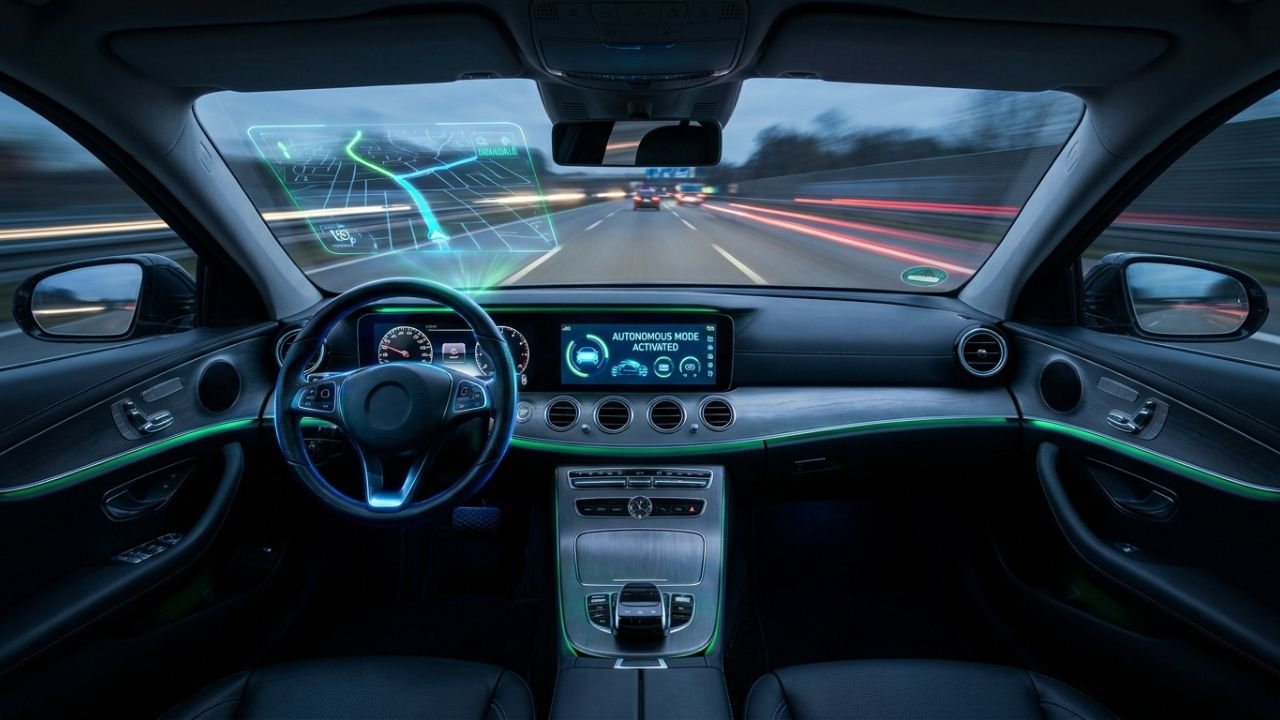
Next-generation vehicles feature holographic head-up displays and augmented reality interfaces that project information directly into the driver’s line of sight, improving information accessibility without distraction.
Display innovations:
- Holographic 3D maps showing turn-by-turn navigation
- AR windshield displays showing lane markers and hazards
- Gesture recognition controls
- Eye-tracking interfaces
Voice Assistant Integration
Advanced voice assistants now understand context, maintain conversation history, and make intelligent suggestions. Unlike earlier systems, these understand accents and dialects, including Indian English.
Gesture Recognition
Vehicles now respond to hand gestures for controlling media, accepting calls, or adjusting climate settings, allowing drivers to maintain focus on the road.
Seamless Smartphone Integration
Your smartphone becomes an extension of your vehicle. Start your car, unlock doors, check maintenance, and control features through integrated apps.
10. Sustainability in Automotive Design
Eco-Friendly Manufacturing
Modern cars are manufactured with sustainability in mind. From water recycling in production facilities to renewable energy use in factories, the automotive industry is becoming greener.
Recyclable Materials
Approximately 90-95% of modern vehicle components are now recyclable. Manufacturers design cars considering their end-of-life, ensuring minimal waste.
Carbon Footprint Reduction
Companies are actively working to reduce emissions during manufacturing and transportation. Electric vehicles, even considering electricity generation, produce significantly fewer emissions than combustion engine vehicles over their lifespan.
Sustainable Interior Materials
Modern vehicles increasingly feature interiors made from recycled plastics, plant-based materials, and bio-leather, reducing environmental impact without compromising quality or luxury.
Impact on Indian Automotive Market
Government Initiatives
The Indian government’s push toward electric vehicles and sustainable transportation is accelerating adoption. FAME schemes and tax incentives make modern vehicles more affordable for Indian consumers.
Localization of Technology
Major automotive manufacturers are now localizing latest technologies for the Indian market, reducing costs and improving accessibility. Indian startups are also contributing innovative solutions.
Infrastructure Development
Charging networks are expanding across Indian cities and highways. Major initiatives aim to have 10,000+ charging stations operational by 2026-2027.
Affordability Factor
Technology that was exclusively in premium vehicles a few years ago is now trickling down to mid-range and budget segments. Average Indian buyers now have access to advanced features at reasonable prices.
Future Outlook
Emerging Technologies on the Horizon
- Quantum Computing in Vehicles: Processing power for complex AI algorithms
- Brain-Computer Interfaces: Direct neural control for vehicles
- Flexible Displays: Screens that adapt and fold for different functions
- Ambient Lighting Technology: Vehicles that communicate through light signals
Market Predictions
By 2027-2028, we expect:
- EVs to constitute 30-40% of new vehicle sales in India
- Full autonomous vehicles to enter limited service in major cities
- Battery costs to drop another 20-30%
- Hydrogen fuel cell infrastructure to expand significantly
Conclusion
The automotive industry in 2026 represents a perfect blend of technology, safety, sustainability, and innovation. Whether it’s artificial intelligence managing vehicle functions, advanced safety systems protecting occupants, or electric and alternative powertrains protecting the environment, modern cars are becoming smarter, safer, and more sustainable.
For Indian consumers, this is an exciting time. Advanced technologies are becoming more accessible, and the infrastructure to support them is rapidly developing. Whether you’re considering buying a new car or simply curious about automotive innovations, understanding these latest car technologies helps you make informed decisions.
The future of automobiles is here—it’s connected, intelligent, sustainable, and continuously evolving. As technology continues to advance, the cars we drive will become even more integrated into our digital lives while maintaining the core purpose of safe, efficient, and enjoyable transportation.
FAQs
Q: Are electric vehicles reliable in India?
A: Yes, modern EVs are highly reliable with extensive warranties covering batteries for 8-10 years. Major manufacturers ensure service networks across Indian cities.
Q: How safe are autonomous features?
A: Autonomous features undergo rigorous testing and have demonstrated lower accident rates than human drivers in many scenarios. However, driver attention remains necessary for current Level 3 systems.
Q: What is the real-world range of electric vehicles?
A: Most 2026 EVs offer 300-500+ km range. Actual range depends on driving conditions, climate, and driving habits.
Q: How long does EV charging take?
A: Fast chargers provide 80% charge in 20-30 minutes. Home charging takes 6-8 hours for a full charge from a standard charger.
Q: Are these technologies affordable for average Indian buyers?
A: Yes, many advanced features are now available in mid-range vehicles. Prices continue to decrease as technology becomes mainstream.






Leave a Feedback